How Location Intelligence Improves Retail Sales in 2026: A Data-Driven Strategy Guide
Introduction: Retail Is Now Spatial
Retail success in 2026 depends on precision targeting and geographic intelligence. Companies are moving beyond traditional sales reports and using real-time location data, predictive analytics and demographic intelligence to make smarter strategic decisions.
1 Smarter Store Location Selection
Choosing the right location determines long-term profitability. Location intelligence platforms use layered mapping to analyze demand and competition before investment.
Identify high footfall zones.
Evaluate income and spending trends.
Avoid oversaturated areas.
Measure accessibility and visibility.
Parking and pedestrian convenience.
2 Geo-Targeted Marketing
Geo-fencing allows brands to send customized offers to customers when they enter a specific geographic area.
3 Customer Mobility Insights
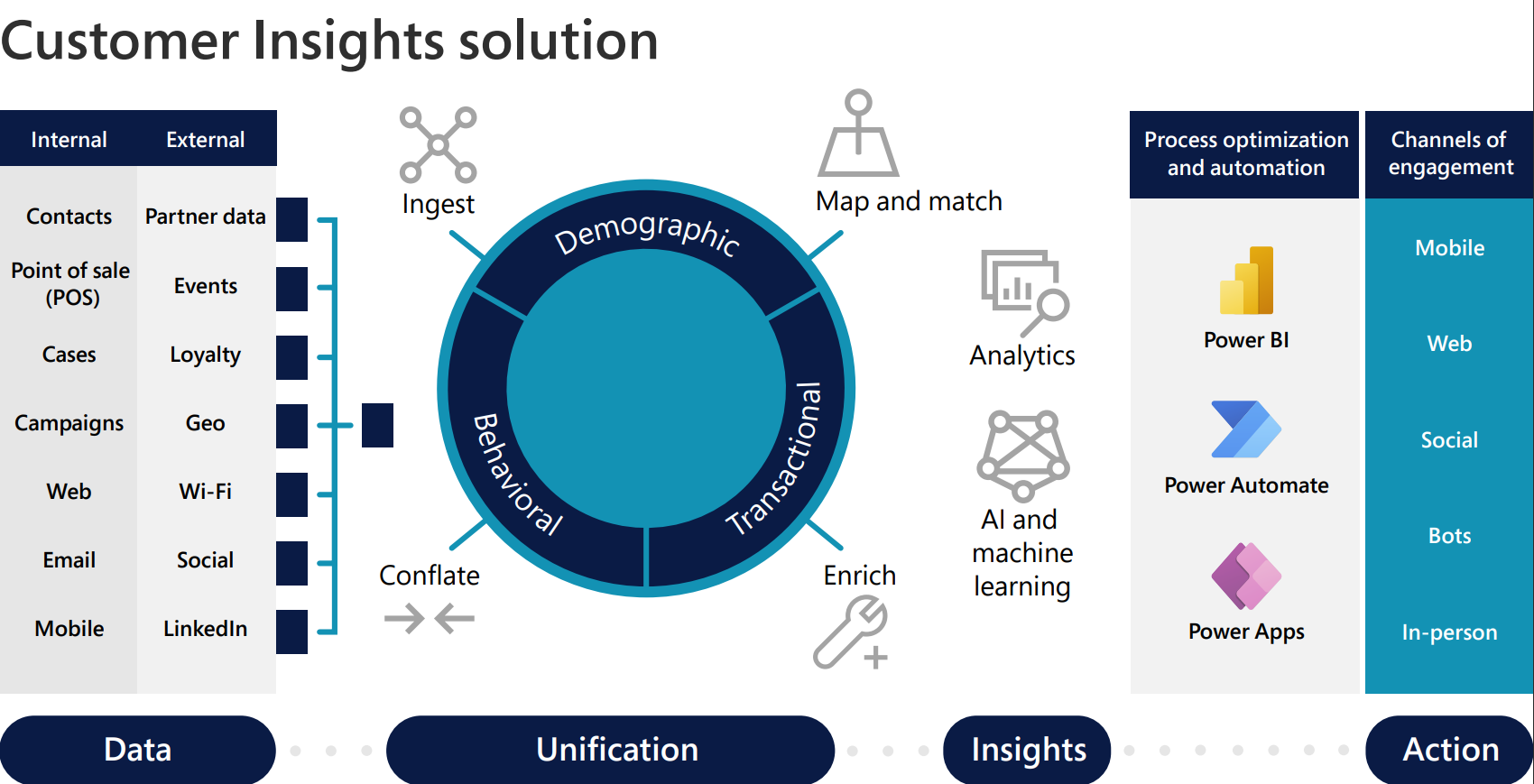
Mobility data reveals how customers move within cities and retail environments. Retailers optimize store layouts, staffing schedules and inventory based on peak movement patterns.
4 Competitor and Market Gap Analysis
Retailers visually map competitors and identify underserved markets. This helps in smart expansion planning and risk reduction.
5 Supply Chain Optimization

Spatial route optimization reduces delivery time, fuel costs and environmental impact.
Why It Matters
30% Better Expansion Accuracy
25% Higher Marketing Conversion
15% Lower Logistics Costs
Key Benefits Summary
| Strategy | Retail Impact |
|---|---|
| Site Selection | Higher ROI |
| Geo-Marketing | Increased Sales |
| Mobility Analysis | Better Planning |
| Competitor Mapping | Strategic Expansion |
| Route Optimization | Lower Costs |
Ethical Reminder
Retailers must ensure customer consent, data protection compliance and ethical use of mobility data to maintain trust and sustainability.
Stay Ahead in Location Intelligence
Follow GeoLense for expert insights on geo-marketing, retail analytics and ethical data strategies.


Comments
Post a Comment