Driving Footfall with Geo-Targeted Marketing: A Location Intelligence Strategy for Small Retail Businesses
Geo-Targeted Marketing and Location Intelligence
Using Spatial Data to Increase Retail Footfall
Introduction
Geo-targeted marketing is a powerful digital strategy that helps small retail businesses attract nearby customers by delivering advertisements based on geographic location. Instead of mass advertising, businesses target customers who are physically close to their stores, improving efficiency and conversion rates.
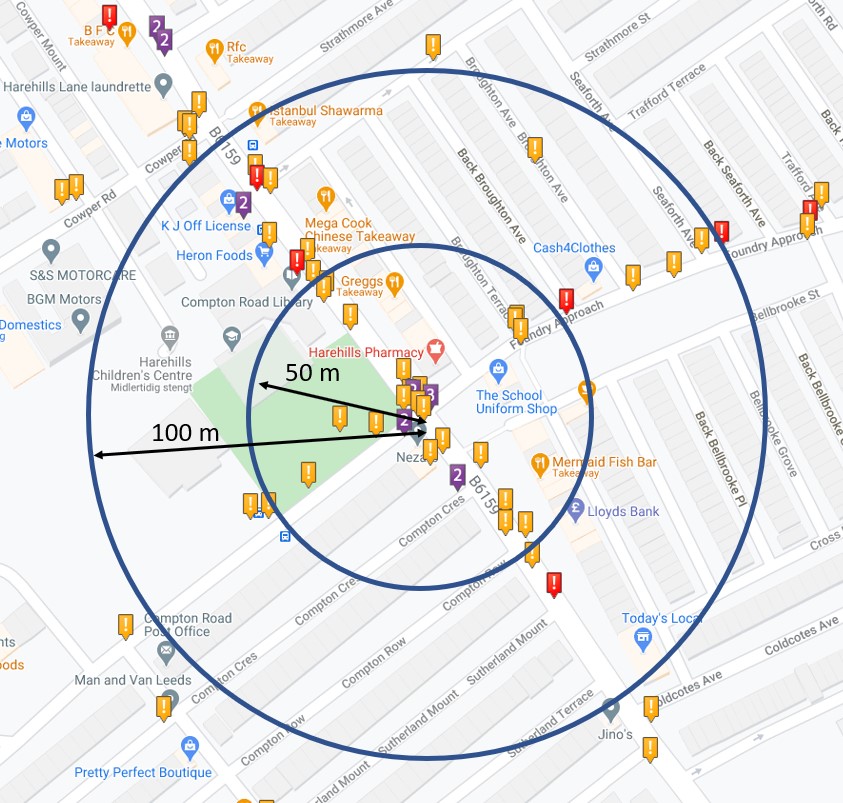
Key Techniques in Geo-Targeting
| Technique | Application | Outcome |
|---|---|---|
| Radius Targeting | 1–3 km local ads | More walk-ins |
| Time Targeting | Peak-hour promotions | Higher engagement |
| Competitor Targeting | Ads near competitors | Customer switching |
| Event-Based Targeting | Festivals and weekends | Short-term sales boost |
Major Benefits
Increased Footfall
Geo-targeted campaigns focus on nearby customers who are more likely to visit the store, resulting in higher physical foot traffic.
Cost Efficiency
Advertising budgets are used more efficiently by targeting only relevant audiences instead of broad, untargeted markets.
Higher Conversion Rates
Customers receiving location-based offers are more likely to respond, increasing the conversion from advertisement to purchase.
Data-Driven Decision Making
Location intelligence provides actionable insights that help businesses refine strategies and improve long-term performance.
Workflow with Feedback Optimisation

Optimisation Cycle
The geo-targeted marketing workflow follows a continuous optimisation cycle designed to improve campaign effectiveness over time. The process begins with defining a target location zone based on customer density and business objectives.
Advertisements are then delivered to users within that geographic boundary through digital platforms. Customers interact with these advertisements by clicking, engaging, or physically visiting the store.
Interaction data is collected and analysed using key performance indicators such as click-through rates, store visit conversions, engagement levels and revenue growth.
Based on the analysis, strategic adjustments are implemented. These may include modifying the targeting radius, changing promotional timing, refining advertisement content, or reallocating the marketing budget.
The improved campaign is relaunched, forming a feedback loop. This continuous improvement cycle enhances targeting precision, increases return on investment and ensures sustainable business growth.
Target Location → Ad Delivery → Customer Interaction → Data Collection → Performance Analysis → Strategy Adjustment → Relaunch and Improvement
Conclusion
When supported by location intelligence and continuous feedback analysis, geo-targeted marketing becomes a sustainable and competitive strategy for small retail businesses. It enhances marketing precision, increases store visits and ensures efficient use of advertising budgets.


EDUCATIVE
ReplyDelete