How Location Intelligence Helps Businesses Choose the Right Store Location
Location Intelligence & Business Strategy
Store Location Strategy
Learn how spatial analytics helps businesses choose high-performing store locations using demographic and demand analysis.
Using GIS for Retail Growth
Understand how Geographic Information Systems support data-driven expansion and competitive positioning.
Heatmaps & Market Analysis
Discover how customer density mapping identifies profitable zones before investment decisions are made.
How Location Intelligence Helps Businesses Choose the Right Store Location
Selecting the right store location is one of the most critical decisions for any business. A well-chosen location increases visibility, customer accessibility and long-term profitability. Location intelligence supports this decision by analysing spatial data, demographic patterns and customer movement to identify optimal business sites.
What Is Location Intelligence?
Location intelligence refers to the use of Geographic Information Systems (GIS), spatial analytics and demographic data to support strategic business decisions. It enables businesses to understand where customers are located and how geographic factors influence demand.
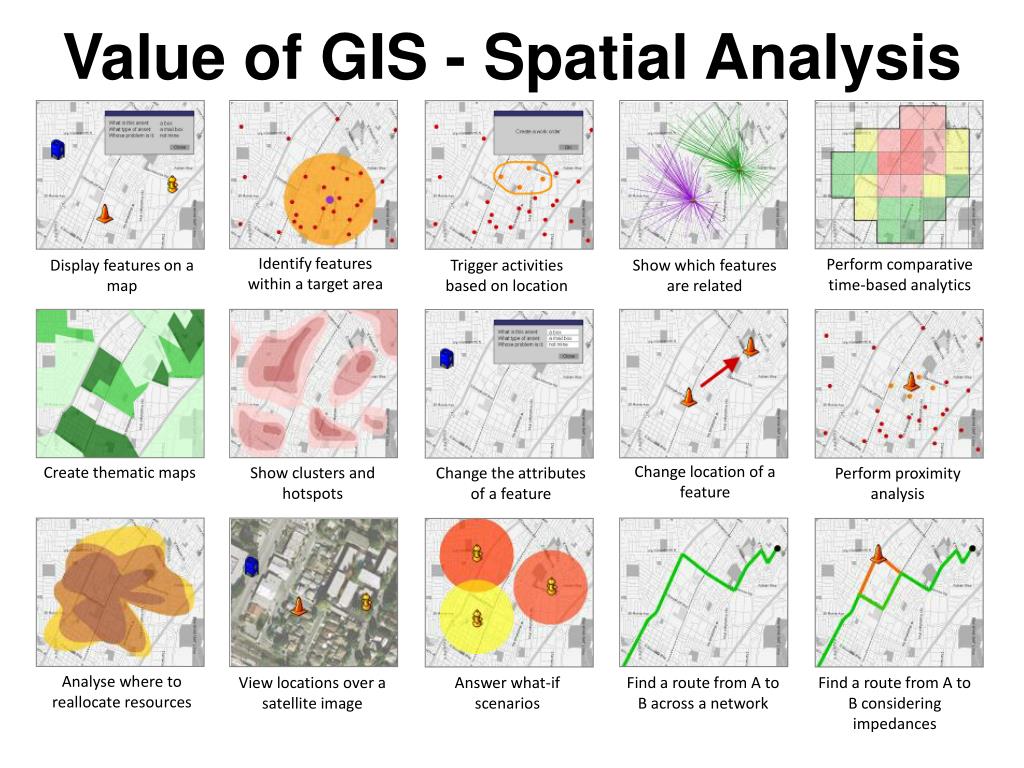
Figure 1: Value of GIS and spatial analysis in supporting location-based business decisions.
Key Factors in Store Location Selection
Businesses evaluate multiple spatial and economic factors before selecting a site. Location intelligence enables these factors to be visualised and compared across different areas for better decision-making.
| Location Factor | Importance |
|---|---|
| Population Density | Determines potential customer base size |
| Accessibility | Influences ease of customer access |
| Competition | Indicates market saturation level |
| Customer Movement | Shows demand concentration areas |
Using Heatmaps for Demand Analysis
Heatmaps visually represent areas with high customer concentration or demand intensity. Businesses use heatmaps to identify high-performing zones before investing in physical stores.
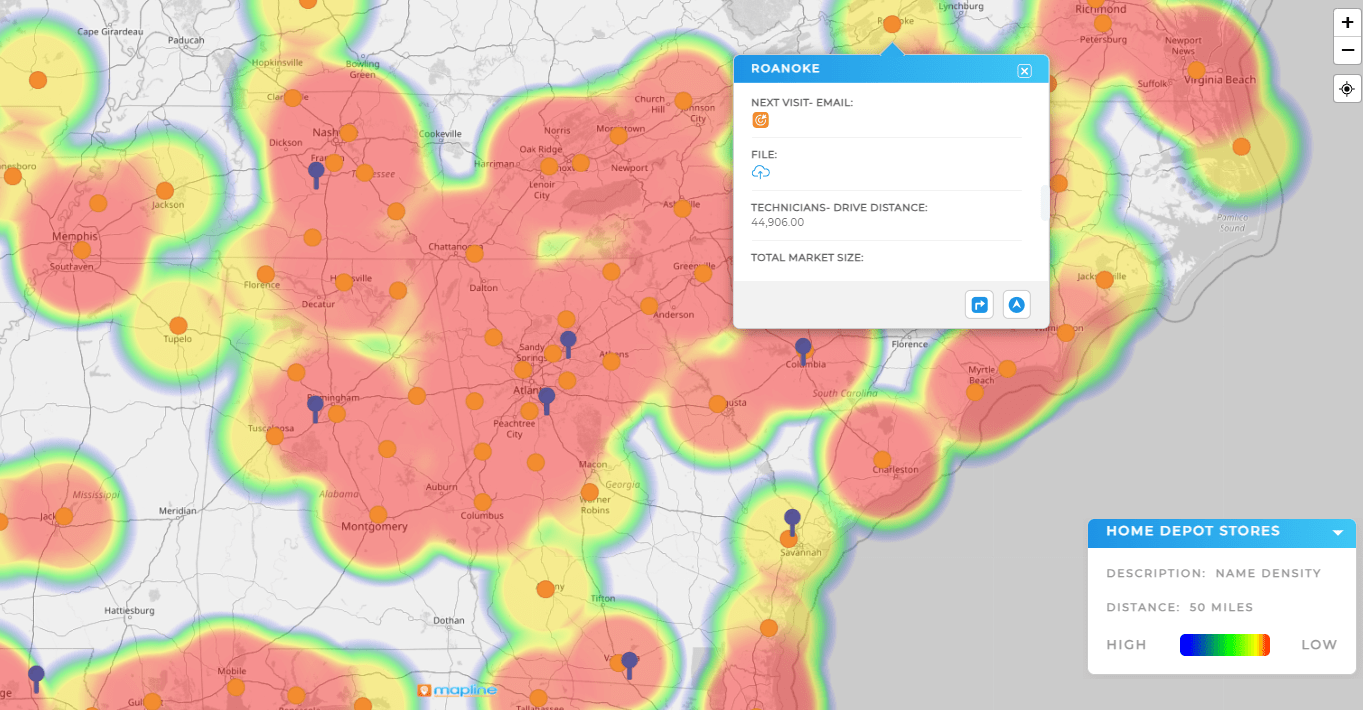
Figure 2: Heatmap illustrating customer density patterns used in retail site selection.
Advantages of Location Intelligence
- Data-Driven Planning: Reduces investment risk by supporting evidence-based decisions.
- Market Optimisation: Improves customer reach by targeting high-demand areas.
- Strategic Expansion: Supports long-term growth through spatial forecasting.
- Competitive Positioning: Strengthens market advantage by analysing competitor zones.
Conclusion
Location intelligence plays a vital role in helping businesses choose optimal store locations. By integrating spatial analysis, demographic insights and customer behaviour data, companies can make strategic, evidence-based decisions that enhance long-term performance and profitability.


Comments
Post a Comment